Dragon King:fish table games
- 4.7
- Rating
- 1.00M
- Installs
- Free
- Price

 Analysis by App-foxy
Dragon King:fish table games is an arcade game from DeeDeeFun that I found easy to understand at first glance but more layered once I spent time with it. The basic appeal is a compact fishing-and-shooting experience mixed with slot-style elements, presented as a small fantasy world built for phone play. It is free to start, rated for Everyone 10+, and available for devices running Android 5.0 or later.
What makes it worth considering is the way it turns short sessions into a cycle of aiming, choosing targets, collecting rewards, and deciding whether to keep playing. I would not describe it as a quiet fishing game or a traditional arcade shooter. It is closer to a colorful, fast-moving fish table game with chance-based touches, so your enjoyment depends heavily on whether you like quick decisions and repeated reward loops.
What to Expect Before Your First Session
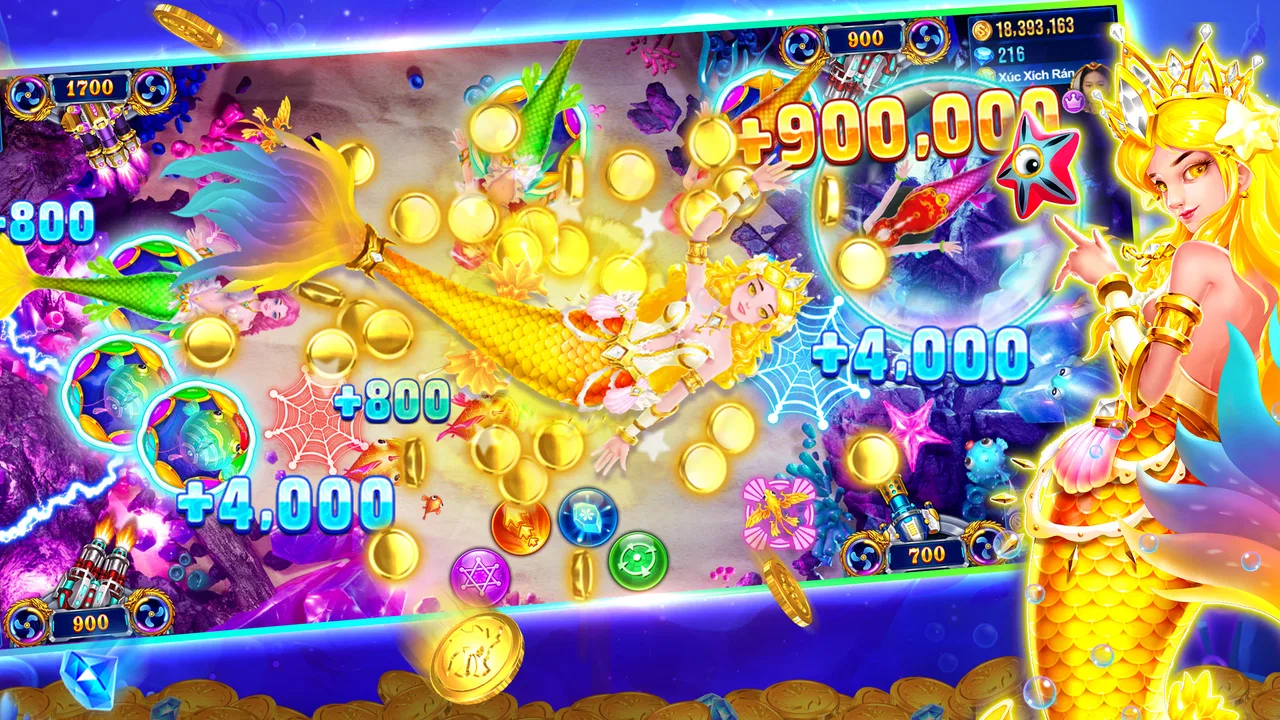
The first thing I noticed is that the game is designed around immediate action rather than a long tutorial. You are dropped into a bright underwater-style setting where fish and other targets become the focus of play. The controls are intended for a phone screen, so the main task is to tap or aim at targets and manage the shots available to you. That simplicity makes the opening approachable, especially if you have never played a fish-shooting arcade game before.
You May Also Like

 Blood Strike: 2.5 Anniversary
Blood Strike’s Loadouts Turn Every Drop Into a Tactical Gamble
A close look at Blood Strike’s custom loadouts: how fast access to signature weapons reshapes its battle royale rhythm, rewards preparation, and narrows the gap between fights.

 Pandora - Music & Podcasts
Pandora’s Music Is Easy to Start, but Harder to Recover
Pandora’s strength is its low-effort path from a seed to a station. Its weak spot is how much confidence it asks you to place in connection, setup, and quiet recovery.

 8 Ball Pool
 Is Built on Rivalries, Rematches, and Routine
A close look at the rivalries, rematches, shared routines, and unanswered safety questions that turn a quick pool match into a persistent mobile community.

 Samsung Music
’s Quiet Strength Is Playing What You Already Own
Its reach comes less from spectacle than from dependable access to a personal library. That simplicity is both the app’s strongest retention engine and its ceiling.

 AccuWeather: Weather Radar
AccuWeather Review: A Quick, Clear Forecast for Everyday Decisions
For everyday plans, the best forecast is the one you can understand quickly. AccuWeather makes rain timing, radar, and local conditions easy to act on, with a few trade-offs.

 Hill Climb Racing
Why Hill Climb Racing Still Turns Crashes Into One More Run
A tiny car, a bumpy hill and one more upgrade: Hill Climb Racing keeps resurfacing because its simple chaos makes every near-miss feel personal.
More From Our News Desk



The “mini world” idea is important because this is not just one static target screen in spirit. The presentation gives the game a collection-like feeling, with different targets and a sense that you are moving through a larger arcade environment. I found that this helped the game feel less repetitive during short breaks, although the underlying action still follows a familiar pattern: identify a worthwhile target, fire, watch the result, and choose what to do next.
Players coming from classic arcade games should expect less emphasis on a fixed score chase and more emphasis on rewards and progression within the session. Players coming from casual mobile games may recognize the rhythm of collecting, spending, and trying again. The slot influence adds another layer of uncertainty, which can make a successful hit feel exciting but can also make the outcome feel less directly controlled than in a pure skill game.
The game has attracted a substantial audience, with over a million installs and a 4.7 average from around 77 thousand ratings. Those figures suggest that the format has found a receptive audience, but they do not change the central question: do you enjoy arcade play that mixes aiming with chance? If you prefer predictable results based entirely on timing and accuracy, this may feel less satisfying than a conventional arcade shooter.
I also think the age label matters when deciding who should play. The game is marked Everyone 10+, so I would treat it as a better fit for older children, teenagers, and adults than for very young players. The reward-oriented presentation can encourage “one more round” behavior, and the presence of in-app purchases makes it sensible for families to discuss spending before handing over a device.
How I Approached the Opening
My advice to a first-time player is to resist the temptation to fire continuously from the moment the first screen appears. Use the opening moments to watch how targets move, how the aiming responds, and what the game considers a successful hit. That small pause is useful because the screen can become visually busy, and learning the rhythm is more valuable than rushing through the first few attempts.
I also recommend treating the opening session as practice rather than a test of luck. You are learning three things at once: how quickly targets travel, how much attention the interface demands, and how the reward cycle is presented. Once those pieces become familiar, the game feels more relaxed. Without that adjustment, it is easy to confuse a missed shot with a problem in the controls.
One practical strength is that the format suits small gaps in the day. I could imagine playing while waiting for an appointment, taking a short break from work, or relaxing before bed. It does not require the commitment of a long story campaign. At the same time, the repeated action means it is not the best choice when you want a deep narrative, a strategic board game, or a completely offline-feeling experience.
Setting Up Without Making the First Session Complicated
Installation should be straightforward for compatible Android devices because the minimum operating system is Android 5.0. After installing, I would begin with the simplest possible goal: get into the main play area, understand the shooting interaction, and complete one useful round before worrying about every menu or reward. New players often lose momentum by trying to understand the entire interface before they have learned the central action.
The game is free, which lowers the barrier to trying it. However, in-app purchases range from $0.99 to $104.99 per item, so I would make a deliberate choice about spending before playing for a long time. The safest approach is to treat the free starting experience as a test of whether the core loop is enjoyable on its own. If you already feel pressured to buy something before you understand the game, pause and decide whether this style suits you.
That is especially relevant for a first-time user because fish table games can make rewards feel like resources that should be used immediately. I prefer to watch the flow first. Notice what you receive naturally, what you are asked to spend, and whether a purchase would actually improve your enjoyment or merely extend the same short-term cycle. This simple separation between “learning the game” and “buying into the game” prevents a lot of unnecessary frustration.
The current version is 10.4.5, which tells me that the game has continued through multiple updates rather than remaining a one-off experiment. For a new player, the practical takeaway is to judge the current interface in front of you rather than relying on memories of older videos or screenshots. Menus, pacing, and balance can change over time in mobile games, so your first session should be based on what the installed version actually presents.
Finding the First Meaningful Success
For me, the first meaningful success is not simply tapping the screen. It is completing a short sequence in which I identify a target, aim with intention, land a useful hit, and understand what the reward means afterward. That sequence gives you a working mental model of the game. Once you can repeat it, the rest of the experience becomes much easier to evaluate.
Start by choosing a target that is easy to follow instead of immediately chasing the most visually attractive option. Fast or crowded movement can make a screen look exciting, but it also makes it harder to tell whether your aim is improving. A slower, clearer target gives you a better chance to learn the relationship between your tap, the shot, and the result.
After a successful action, take a moment to inspect the outcome before firing again. This is one of the most useful habits I can suggest because the game combines arcade shooting with reward mechanics. If you immediately continue without noticing what changed, you may spend resources without understanding why. A few seconds of observation can reveal whether you are building toward another attempt, collecting a reward, or simply watching a visual effect.
Another useful tactic is to play in short, intentional blocks. Give yourself a modest goal such as learning the controls, finishing a round, or testing how the reward flow works. This keeps the session from turning into automatic tapping. It also helps you decide whether the game is fun because of its action or only because of its repeated prompts and rewards.
I would not measure your first session by how much you collect. Measure it by how clearly you understand your choices. Can you tell which target you intended to hit? Do you know what happened after the hit? Can you explain what you would do differently on the next attempt? If the answer is yes, you have made real progress even if the reward was modest.
Where New Players Commonly Get Confused
The most likely confusion comes from the game’s mixed identity. It looks like an arcade shooter, but it also borrows the anticipation and reward language of slot-style games. That means a failed attempt may not feel like a simple miss, and a successful one may involve more than just accuracy. If you expect every outcome to be determined by precision, the game can seem inconsistent. If you accept the chance-based layer, the same result feels more understandable.
Another point of friction is screen density. Fish, effects, counters, and buttons can compete for attention, especially on a smaller phone. When the action becomes busy, I find it better to focus on one target and ignore decorative movement around it. Trying to track everything at once makes the game feel faster than it really is and encourages wasteful taps.
New players may also wonder whether they should save or spend what they earn. My answer is to avoid making that decision automatically. First identify what the resource does in the current screen. If spending it lets you continue a familiar action, compare that benefit with simply ending the session and returning later. If the game presents several options, choose one at a time rather than experimenting with everything in a single run.
The presence of purchases is another area where expectations need to be realistic. Free installation does not mean every part of the long-term experience will feel equally comfortable without spending. I would not make a purchase just because a reward sequence creates urgency. Play long enough to learn whether the basic loop remains enjoyable when you are not paying, and set a personal limit before you begin.
There is also a difference between playing casually and chasing every available reward. Casual play works well when you want a colorful distraction and are happy to stop after a few rounds. Reward chasing can make the experience more demanding because every missed opportunity starts to feel important. If you notice yourself playing mainly to recover a previous result, that is a good point to close the game rather than continue automatically.
How It Compares With Other Arcade Choices
Compared with a traditional arcade shooter, Dragon King:fish table games offers more reward uncertainty and a stronger collection-oriented feel. A conventional shooter is usually easier to judge: your movement, timing, and accuracy explain most of the outcome. Here, those skills still matter to the moment-to-moment experience, but the slot-like presentation makes the result less purely mechanical.
Compared with a standard casual puzzle game, it is more immediate and less mentally demanding in a planning sense. You do not need to build a long chain of moves or remember a complicated story. The trade-off is that the action can become repetitive sooner, particularly if you do not enjoy target shooting as a core activity.
Compared with a full-scale action game, it is much easier to pick up for a short break. You can focus on a small interaction instead of learning a large map, managing a character build, or following a campaign. The downside is that players looking for deep progression, rich storytelling, or a highly skill-based competitive system may find the experience too narrow.
For someone who enjoys fish table games specifically, the strongest reason to try it is the combination of familiar shooting and a compact fantasy setting. For someone who simply wants a free arcade game, I would compare it with a cleaner, skill-first alternative before committing time or money. The right choice depends on whether the reward atmosphere adds excitement for you or distracts from the actual play.
Who Will Get the Most From It
I think the game is best for players who like short mobile sessions, bright arcade presentation, and a loop that mixes aiming with collecting. It can work well for someone who wants a quick activity during a commute or a break, provided the player is comfortable with the possibility that outcomes are not governed by skill alone.
It is also a reasonable introduction to fish table games because the central interaction is easy to grasp. A first-time player does not need to begin with advanced knowledge. The useful approach is to learn the basic target-and-reward rhythm first, then decide whether the additional chance-based elements make the sessions more entertaining.
I would be more cautious recommending it to people who dislike in-app purchases, become uncomfortable with repeated reward prompts, or want a game with a clear ending. The free entry is helpful, but the purchase range means spending boundaries should be part of your setup, not an afterthought. Families should also consider the Everyone 10+ rating and supervise purchases when appropriate.
Players who need a calm, low-stimulation experience may want something else. The visual activity and repeated action are part of the appeal, but they can become tiring when you are already overloaded. Likewise, if you want a game where every victory can be traced directly to improved technique, a conventional arcade title may offer a fairer match.
My Practical Routine for Better Sessions
My preferred routine is simple. I begin with a short session, watch the target movement, and choose one clear objective. I avoid spending until I understand the reward flow, and I stop when the game starts to feel automatic rather than enjoyable. This keeps the game in its best role: a quick arcade diversion rather than a source of pressure.
A second useful habit is to separate experimentation from serious play. If you want to understand a menu or try a different option, do it when you are not already focused on a promising target. Switching attention at the wrong moment can lead to careless taps and makes it harder to learn what caused the result.
I also recommend judging the game after several different short sessions instead of one unusually lucky or frustrating attempt. The first few minutes tell you whether the controls make sense, but a handful of sessions reveal whether the loop has enough variety for your habits. That distinction matters because a game can be immediately attractive yet lose its appeal once the novelty fades.
Finally, decide what success means for you. If it means relaxing for five minutes, the game can meet that goal. If it means mastering a demanding arcade system, you may prefer a title built around precision. If it means collecting rewards without spending, test that experience honestly before making any purchase. This approach gives you a clearer answer than the game’s excitement alone.
My Closing Take on the Experience
After trying it as a phone arcade game, I see Dragon King:fish table games as a focused option for people who enjoy fish-shooting action with a chance-based reward layer. DeeDeeFun has built the experience around quick interaction, colorful targets, and a compact fantasy setting rather than a long narrative or complex control scheme. That makes it approachable, but it also means repetition and spending pressure are the main issues to watch.
The game’s free starting point, broad Android compatibility, and strong user response make it easy to test for yourself. Its 4.7 average and more than a million installs show that many players have found the format appealing, while the 4.2 thousand reviews indicate active discussion around it. I would treat those signs as a reason to try it, not as a guarantee that it will suit every arcade fan.
My recommendation is to try it as a short-session game first, not as a commitment. Learn the controls, complete one meaningful target-and-reward sequence, and see whether the mixture of skill and chance feels enjoyable. Keep purchases separate from that first judgment, especially because individual in-app items can reach $104.99.
If you want a colorful fish table game that is easy to pick up, this is a sensible candidate. If you want precise competition, a quiet experience, or progression that never asks you to think about spending, another arcade style will probably serve you better. For everyone in between, the best path is clear: install it, take the opening session slowly, and let the actual play—not the reward chase—decide whether it earns a place on your phone.
FAQs for Dragon King:fish table games
01What is Dragon King: Fish Table Games?
Dragon King: Fish Table Games is an engaging arcade-style app where players can enjoy various fish shooting games. The game combines vibrant graphics with fast-paced action, allowing players to aim and shoot at different types of fish to earn points. It’s popular for its easy-to-understand mechanics and rewarding gameplay.
02Is Dragon King: Fish Table Games free to play?
Yes, Dragon King: Fish Table Games is free to download and play. However, it includes in-app purchases that allow players to buy additional coins and items to enhance their gaming experience. These purchases are optional, and players can still enjoy the game without spending money.
03What platforms is Dragon King: Fish Table Games available on?
Dragon King: Fish Table Games is available on both Android and iOS platforms. Players can download the app from the Google Play Store for Android devices or the Apple App Store for iOS devices. Ensure your device meets the app's system requirements for optimal performance.
04Does Dragon King: Fish Table Games require an internet connection?
Yes, Dragon King: Fish Table Games typically requires an internet connection. This connection is essential for accessing in-game features such as leaderboards, events, and updates. While some features may be accessible offline, an online connection provides the best gaming experience.
05Is Dragon King: Fish Table Games suitable for all ages?
Dragon King: Fish Table Games is generally suitable for players aged 12 and up due to its arcade-style action and the use of in-game currency. Parents should be aware of the in-app purchase options and may want to monitor younger players to ensure a safe gaming experience.
Pros
- Engaging and vibrant graphics.
- Smooth and intuitive gameplay.
- Wide variety of fish to catch.
- Daily bonuses and rewards.
- Multiplayer mode enhances fun.
Cons
- In-app purchases can be pricey.
- Requires constant internet connection.
- Ads can be intrusive.
- Limited offline features.
- Occasional glitches reported.

Dragon King:fish table games
Gallery